Understanding E-Waste: Its Impact on the Environment
This article explores e-waste, its definition, effects on the environment, and the importance of recycling electronic devices. Learn how e-waste contributes to pollution and what you can do to mitigate its impact.
What is E-Waste?
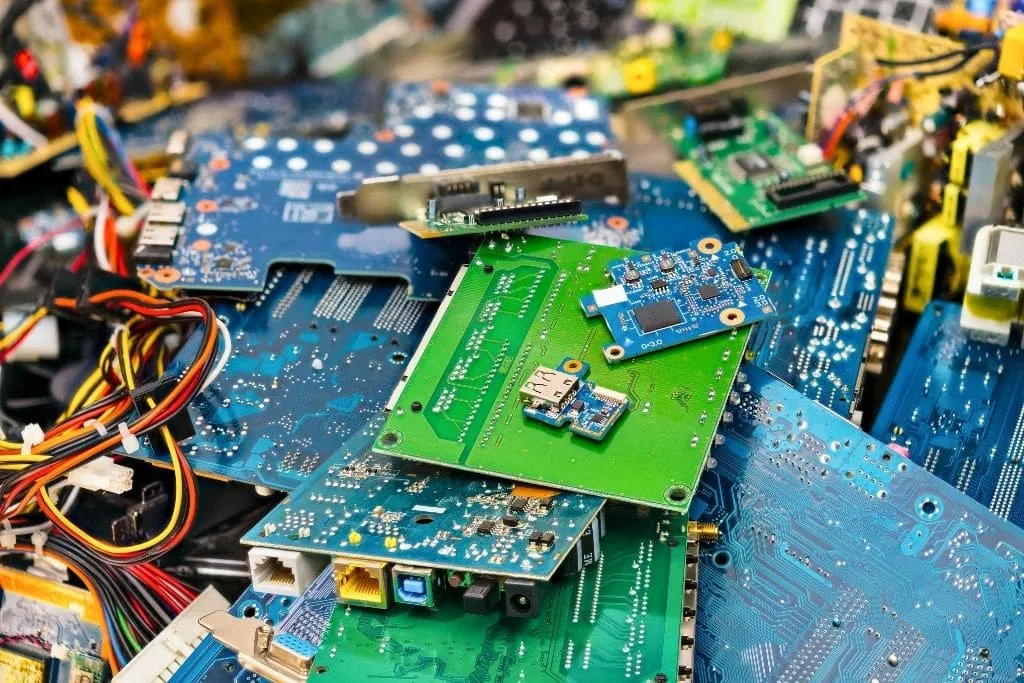
E-waste, or electronic waste, refers to discarded electrical or electronic devices. This includes anything from old computers and smartphones to televisions and refrigerators. As technology advances, the volume of e-waste increases, leading to significant challenges in waste management.
Impact of E-Waste on the Environment
Improper disposal of e-waste can lead to severe environmental consequences. Toxic materials such as lead, mercury, and cadmium can leach into the soil and water, posing health risks to humans and wildlife. Furthermore, the incineration of e-waste releases harmful pollutants into the air, contributing to air quality issues.
The Importance of E-Waste Recycling
Recycling e-waste is crucial for protecting the environment and recovering valuable materials. By recycling, we can reduce the amount of waste sent to landfills and conserve natural resources. It also significantly lowers greenhouse gas emissions, contributing to sustainability efforts globally.