WALTER: The End-of-Life Infrastructure Partner for Modern Businesses
WALTER helps businesses manage what happens after assets, electronics, branded materials, furniture, and products reach the end of their useful life. Through certified e-waste recycling, IT asset disposal, sustainable clean-outs, debranding, ESG reporting, and social impact, WALTER helps organizations reduce risk, recover value, clear space, and prove responsible environmental action.
Businesses today face a growing operational challenge: what happens to old equipment, unused inventory, branded materials, electronics, office furniture, and warehouse assets when they are no longer needed?
For many companies, these items are treated as a disposal problem. In reality, they create a larger business risk. Improper removal can expose companies to data security issues, brand misuse, compliance gaps, unnecessary storage costs, and weak ESG reporting.
WALTER helps organizations manage these risks through certified e-waste recycling, IT asset disposal, sustainable clean-outs, debranding, product handling, and environmental reporting. Instead of acting as a one-time removal vendor, WALTER operates as an end-of-life infrastructure partner for businesses that need secure, compliant, measurable, and socially responsible solutions.
What WALTER Does
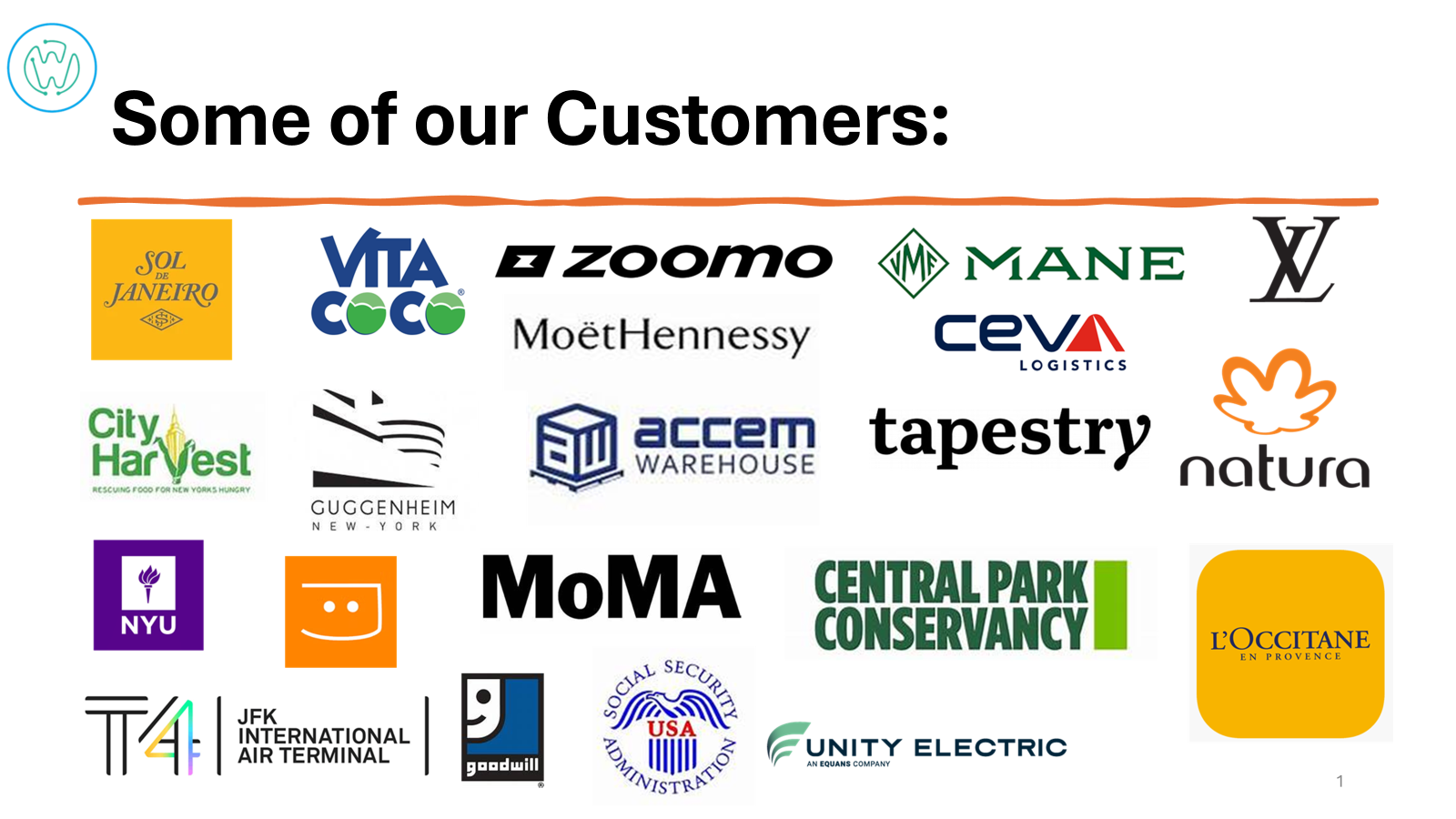
WALTER works with businesses, real estate operators, consumer brands, offices, warehouses, institutions, and property managers to manage end-of-life assets responsibly.
This includes electronic waste, IT equipment, data-bearing devices, branded products, packaging, furniture, fixtures, batteries, warehouse materials, and obsolete inventory. WALTER collects, sorts, processes, recycles, donates, repurposes, or responsibly disposes of materials depending on the asset type and client requirements.
The company’s core services include:
IT Asset Disposal and Certified E-Waste Recycling
WALTER collects and processes electronic equipment while helping clients keep e-waste out of landfills and maintain compliance standards. The company emphasizes end-to-end chain of custody for data-bearing devices and operates with R2v3 certification, as well as ISO 9001, ISO 14001, and ISO 45001 certifications.
Sustainable Clean-Outs
WALTER helps companies clear offices, warehouses, storage spaces, and facilities by removing outdated furniture, unused equipment, promotional materials, and products. The goal is not only to remove items, but to reduce waste, recover space, identify donation opportunities, and support ESG goals.
Debranding and Product Handling
For brands, disposal is not just a logistics issue. Unsold products, branded fixtures, packaging, displays, and promotional materials can create reputational risk if they are resold, misused, or discarded incorrectly. WALTER supports controlled debranding, secure product destruction, donation channel optimization, and waste diversion reporting.
Environmental Reporting and ESG Data
WALTER provides clients with tracking and reporting that can include waste weights, material breakdowns, provenance, diversion data, CO2e estimates, and customized ESG reporting. This gives companies measurable proof instead of vague sustainability claims.
Why This Matters for Businesses
Many companies rely on fragmented vendors for recycling, junk removal, data destruction, moving, storage, donation, and reporting. This creates operational confusion and leaves gaps in accountability.
WALTER’s model is designed to consolidate that process.
A company may need to remove old laptops, dispose of branded packaging, clear a warehouse, decommission an office, donate usable furniture, recycle electronics, and report the environmental impact of the project. Instead of coordinating several vendors, WALTER brings these needs into one structured process.
That structure creates value in three main ways.
1. Risk Reduction
End-of-life assets carry real risk. A laptop can contain sensitive data. A branded product can appear in the wrong resale channel. A warehouse clean-out can be handled without documentation. A battery can create safety concerns. An office decommissioning project can miss building requirements or delay the next tenant.
WALTER reduces these risks through certified processes, chain-of-custody controls, data destruction documentation, debranding protocols, and compliance-focused handling.
For real estate and facilities teams, this means smoother transitions, fewer coordination issues, and a more reliable path to “broom clean” delivery. For brands, it means stronger control over where products and materials end up. For ESG and compliance teams, it means documentation that supports internal reporting and audit readiness.
2. Economic Value
Sustainability is often treated as a cost center, but WALTER’s model is built to show the economic value of doing end-of-life work correctly.
Clean-outs can help companies eliminate storage costs, recover valuable space, and reduce recurring expenses. In some cases, donated items may support tax deduction opportunities based on fair market value. WALTER’s internal clean-out positioning highlights examples where donation and storage reduction helped clients offset or reduce project costs.
For businesses with unused furniture, obsolete inventory, or warehouse clutter, the value is not only in disposal. The value is in turning wasted space and unmanaged assets into a more controlled, efficient, and financially intelligent operation.
3. ESG Proof and Social Impact
Companies are under pressure to show that sustainability claims are real. WALTER supports that need by turning clean-outs, recycling, donation, and disposal into measurable outcomes.
Through environmental reporting, clients can better understand what was collected, how materials were handled, what was diverted, and what impact the project created. This supports sustainability teams, ESG reporting, corporate responsibility programs, and internal stakeholder communication.
WALTER also connects environmental execution with social impact. Its operating model supports job creation and skills building for young adults facing barriers to employment through Targeted Open Hiring.
This makes WALTER different from a traditional recycling or junk removal provider. Each project can support environmental goals while also contributing to workforce development.
WALTER’s Business Model: From One-Time Jobs to Recurring Infrastructure
WALTER’s strongest opportunity is not simply doing individual pickups. The business model becomes more powerful when WALTER becomes a recurring operational partner.
That means helping clients with:
- Recurring e-waste pickups
- Residential and commercial e-waste bin programs
- Portfolio-wide clean-outs
- Office and warehouse decommissioning
- Battery collection and recycling programs
- Product and packaging disposal
- Ongoing ESG reporting
- Brand-sensitive destruction and debranding
- Strategic partnerships with real estate, facilities, and property management teams
This shift is important because companies do not face end-of-life challenges once. Offices change. Warehouses rotate inventory. Brands update packaging. IT teams replace devices. Residential buildings collect electronics from tenants. Facilities teams manage transitions. Sustainability teams need ongoing data.
WALTER’s strategy identifies clean-outs as a high-value business line with strong fit, higher revenue per operation, and stronger margin potential, while e-waste programs can become more scalable when connected to recurring needs such as e-mobility, batteries, and asset-heavy businesses.
In other words, WALTER’s model is not just “remove and recycle.” It is to become the trusted system companies use whenever assets, materials, electronics, or branded goods reach the end of their useful life.
Who WALTER Serves
WALTER works best for organizations where disposal, compliance, brand protection, and ESG reporting matter.
This includes:
- Commercial real estate operators managing tenant transitions
- Property managers handling building-level e-waste
- Consumer brands with unsold products, packaging, and branded materials
- Offices clearing furniture, fixtures, and electronics
- Warehouses with obsolete inventory or storage issues
- Financial institutions with data-bearing devices
- Nonprofits, schools, universities, and cultural institutions
- Logistics and transportation companies
- E-mobility and battery-heavy businesses
- Sustainability teams that need measurable reporting
For each audience, the problem is slightly different. A property manager wants fewer tenant complaints and less basement clutter. A brand wants to avoid unauthorized resale. A CFO wants to reduce wasteful storage costs. A sustainability lead wants measurable ESG data. An operations manager wants a reliable vendor who can execute without disruption.
WALTER connects these needs through one service platform.
Why WALTER Is Not Junk Removal
A traditional junk removal company removes items.
WALTER manages end-of-life risk.
That difference matters.
Junk removal usually focuses on speed and disposal. WALTER focuses on compliance, chain of custody, environmental outcomes, reporting, donation opportunities, brand protection, and social impact.
This is especially important for companies handling electronics, data-bearing devices, branded materials, regulated waste streams, or ESG-sensitive operations. WALTER’s positioning should be understood as a certified execution partner, not simply a hauling company.
The WALTER Advantage
WALTER’s value comes from combining operational execution with compliance, economics, ESG reporting, and social mission.
Clients choose WALTER because they need:
A certified partner A secure chain of custody Responsible recycling and disposal Debranding and product protection Clean-outs that reduce storage and recover space Environmental impact reporting Support for ESG and sustainability goals A partner that creates social impact through its workforce model
This combination allows WALTER to serve both practical and strategic needs. It solves the immediate problem of removal, while also protecting the company from risk and creating measurable business value.
Conclusion: A Smarter Way to Manage End-of-Life Assets
Every business eventually faces the same question: what do we do with the assets, products, equipment, and materials we no longer need?
WALTER gives companies a better answer.
Through certified e-waste recycling, IT asset disposal, sustainable clean-outs, debranding, product handling, donation pathways, environmental reporting, and social impact, WALTER helps organizations clear space, reduce risk, recover value, and prove their sustainability efforts.
For companies in New York and beyond, WALTER is not just a recycling provider. It is the end-of-life infrastructure partner for organizations that cannot afford brand, compliance, operational, or ESG risk.